Showing posts with label long-term care in Pitman. Show all posts

Thursday, 26 May 2022

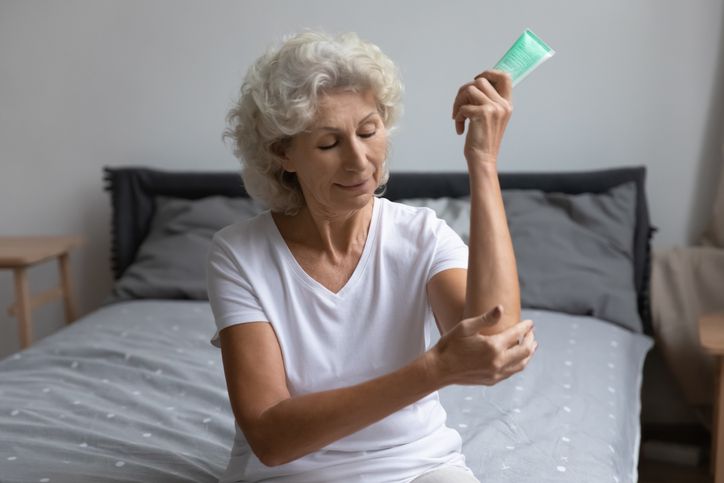
Skin Conditions Seniors Should Look Out For

https://pitman.umcommunities.org/2022/05/23/skin-conditions-seniors-should-look-out-for/

Skin conditions are common in the senior population because as we age, our skin changes in ways that can make it more prone to disease. Older skin is less oily, less elastic, and thinner, which means it bruises and burns easily and can take a long time to heal when sun-damaged or injured. Even though skin conditions are common for seniors, it’s important to know which ones to keep an extra eye on as they could develop into something more serious.

Studies show that one of the most common skin diseases that affects older adults is eczema, a skin infection that causes severely dry and itchy skin. This infection occurs when your skin doesn’t produce oils like it used to and becomes irritated by fragrances, pollen, and invisible dust mites. If you’re noticing itchy, dry, red patches on your skin that don’t seem to calm with a little lotion, you might have eczema. Don’t ignore it! Make an appointment with your doctor to confirm and see if they can give you advice to help manage it. Often a steroid cream is prescribed, but also a healthy diet can make a big difference. Staying hydrated and eating healthy fats, protein, and foods high in zinc like dairy products can help to heal and prevent eczema.

Rosacea is a chronic skin disease that can appear at any age, but is more common in older adults. Rosacea can cause bumps and blistering, often on the face, neck, or ears, and accompanied by a painful stinging or burning sensation. Symptoms of rosacea can include blushing cheeks and nose, visible veins, and broken blood vessels. Being aware of these symptoms can help prevent a painful flare-up. The best treatment is prevention, which means avoiding triggers like sun exposure, strong winds, spicy food, alcohol, stress, and overly hot water from bathing. These triggers can be different for everyone so it is important to pay attention to what might be causing your flare-ups.

Fungal Infections can be common in seniors and are often found under toenails. It is important to look out for yellow, green, or discolored skin that’s painful to the touch. Most often your doctor will prescribe antibiotics and an antifungal steroid cream to clear the infection, but prevention is key. Regularly trim the toenails, change your socks, and replace worn out shoes regularly. Keeping your feet dry and letting them air out will also help. 

The Right Senior Community for Staying Healthy and Safe

If you or a loved one is in need of long-term care, UMC at Pitman has skilled nurses and caregiving professionals that can take care of all your medical needs, including your skin conditions. Care is individualized to each person’s needs and adapts as their needs change over time.

UMC at Pitman believes in living an abundant life no matter what care is needed. If you have any questions about assisted living or long-term care in Pitman, New Jersey, please contact our experts, we are happy to help.

Visit our website at – https://pitman.umcommunities.org/

Original blog posted on https://pitman.umcommunities.org/2022/05/23/skin-conditions-seniors-should-look-out-for/

Tuesday, 20 April 2021

Parkinson’s Awareness Month: Signs, Symptoms and Treatments


https://pitman.umcommunities.org/2021/04/17/parkinsons-awareness-month-signs-symptoms-and-treatments/

It’s Parkinson’s Awareness Month, and we find it crucial to shed light on signs of this disease since it develops very slowly and can often be missed early on. For those who may be unfamiliar, Parkinson’s Disease directly affects the nerve cells in the brain that produce dopamine. Dopamine is important to controlling mobility.

So far, doctors are not completely sure what causes this disorder, but they believe gene and environment changes may be factors. There is no cure yet, however, with the right treatment, symptoms can be successfully managed and controlled. With that said, our care team in Pitman NJ has compiled helpful information such as signs, symptoms and treatment options for Parkinson’s Disease.

Signs & symptoms of Parkinson’s Disease

As mentioned above, Parkinson’s Disease is a movement disorder that progresses slowly, which means it may not be something you notice right away in a loved one. One of the first symptoms people notice is a slight tremor of the hands. Others may notice symptoms that can often be chalked up to something else, like feeling tired or uneasy.

That’s why it’s important to be aware of all the signs and symptoms of Parkinson’s, and consult your loved one’s primary care physician if you are unsure whether or not their symptoms are related to this disorder.

  • Slowness of voluntary movements, such as walking or rolling over in bed
  • Decreased facial expressions and eye blinking
  • A shuffling walk with poor arm swing and stooped posture
  • Unsteady balance; experiencing difficulty when rising from sitting
  • Repeated “pill-rolling” motion of the thumb and forefinger
  • Abnormal muscle stiffness
  • Slurred, slow speech and swallowing problems in later stages
  • Frequent lightheadedness or fainting when standing
  • Tiredness, uneasiness and depression-like symptoms

Treatments for Parkinson’s Disease

Although there is no cure for Parkinson’s Disease, the symptoms can be easily managed with medications, therapies, and in some cases surgery. Here’s a little insight into a few different treatment options for Parkinson’s Disease. 

  • Therapy and cognitive activities. Treating Parkinson’s symptoms is often a team effort that not only involves emotional support from family, but also support from physical, occupational and speech therapists. Physical therapists can help improve mobility and reduce shakiness and stiff muscles. Speech therapists can help regulate slowed or slurred speech. And occupational therapists will do everything possible to maintain your loved one’s quality of life by engaging them in cognitive exercises to improve mental sharpness. The short-term rehab neighborhood at UMC at Pitman has these types of therapists on-site to support residents living with Parkinson’s. To learn more about our short-term rehabilitation in NJ, you can visit our website or call for more detailed information.
  • Many individuals with Parkinson’s can subdue symptoms effectively with different medications. Some of the most commonly prescribed medications are Comtan, Nourianz, Cogentin, Ongentys, and Mirapex. After evaluating your loved one’s medical history, a specialist should be able to prescribe the type of medication that will be the most effective.
  • Depending on your senior family member’s previous medical history and health status, surgery may be a viable option to treat Parkinson’s symptoms. Some of the most common surgical procedures include deep brain stimulation, pallidotomy, thalamotomy, and doupa pump. However, many other procedures are still being researched and developed to this day. You could find the most recent information at Science Daily and WebMD.

Long-term care for Parkinson’s at UMC

At United Methodist Communities (UMC) at Pitman, our residents enjoy their independence in a safe and secure assisted living environment. We are well equipped with a team of licensed nurses, therapists and specialists to manage many complex medical conditions in our senior residents, such as Parkinson’s disease. We offer the kind of supportive and compassionate long-term care services that can put your mind and the minds of your family members at ease.  

Treatment for Parkinson’s Disease symptoms has many moving parts. And as the disorder progresses, symptoms can become more complicated. If your loved one’s symptoms are becoming too hard to manage, please call one of our care advisors in Gloucester County as soon as possible to find out how we can meet their care needs.

To learn more about our long-term care in Pitman, New Jersey, visit our website at: https://pitman.umcommunities.org/

Original blog posted on https://pitman.umcommunities.org/2021/04/17/parkinsons-awareness-month-signs-symptoms-and-treatments/